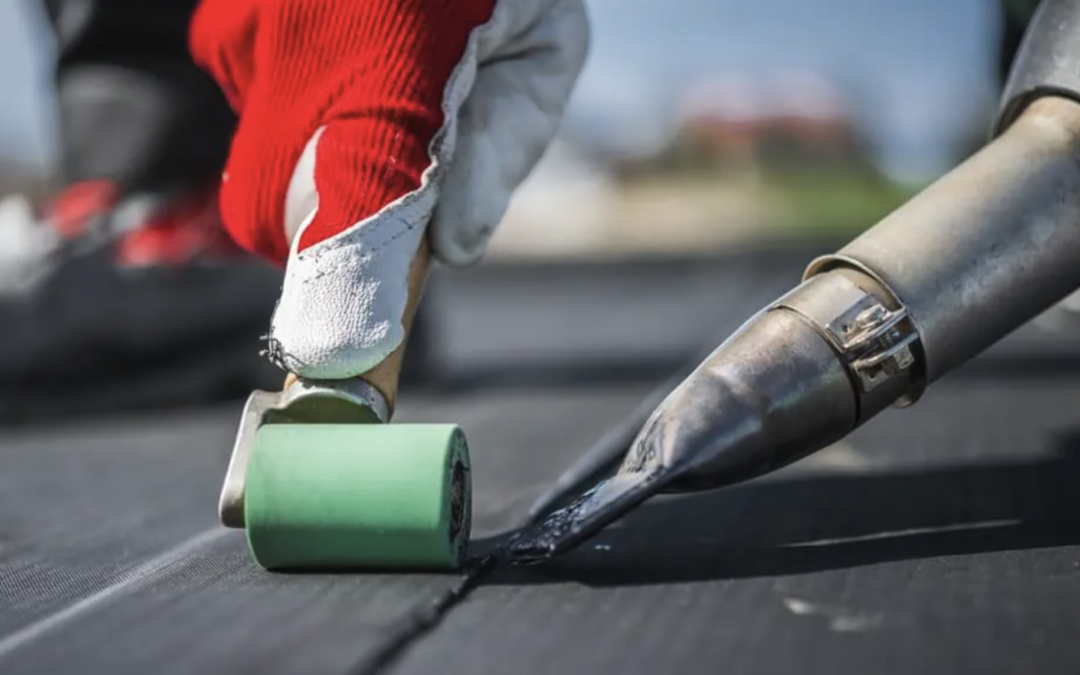
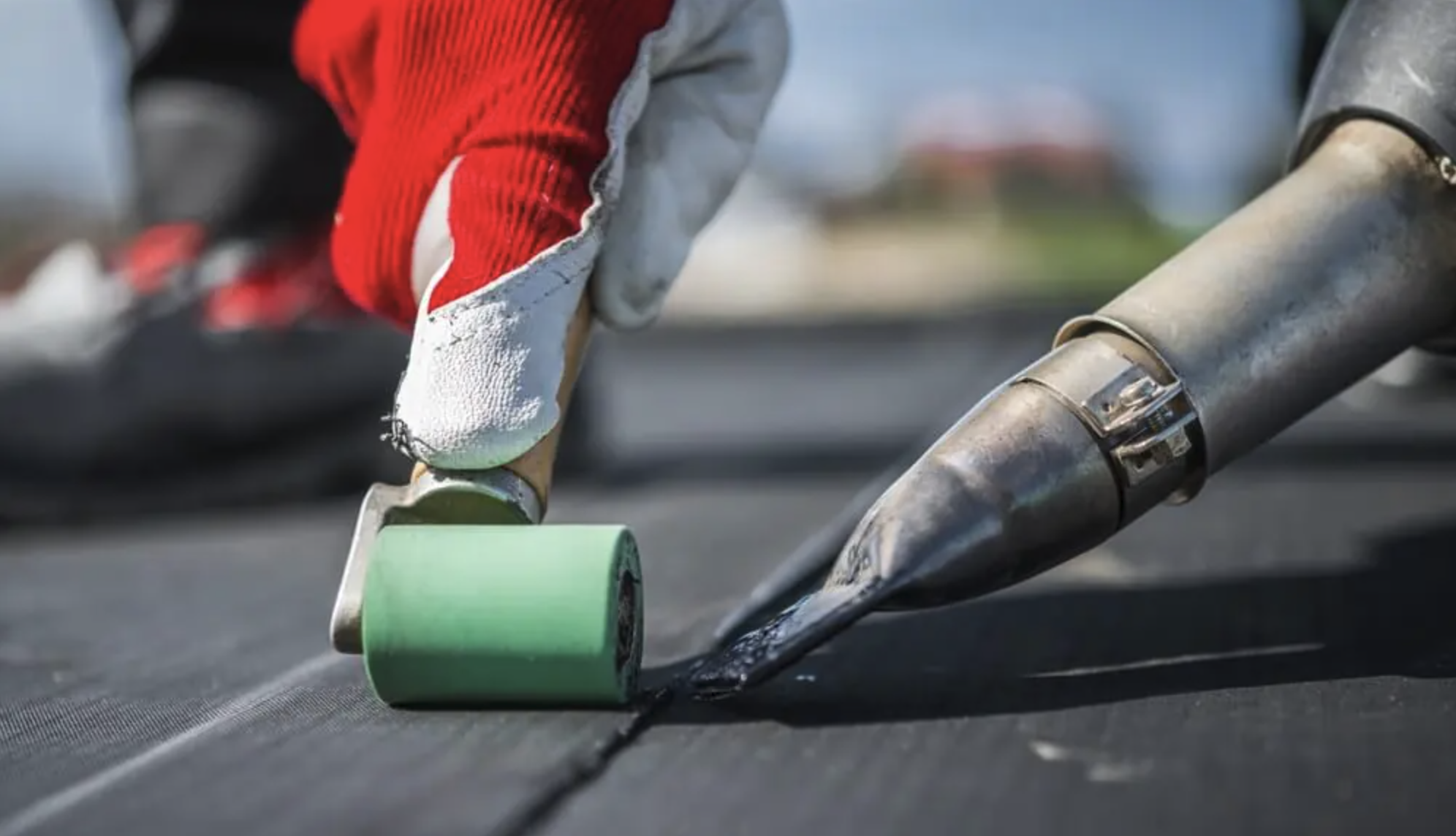
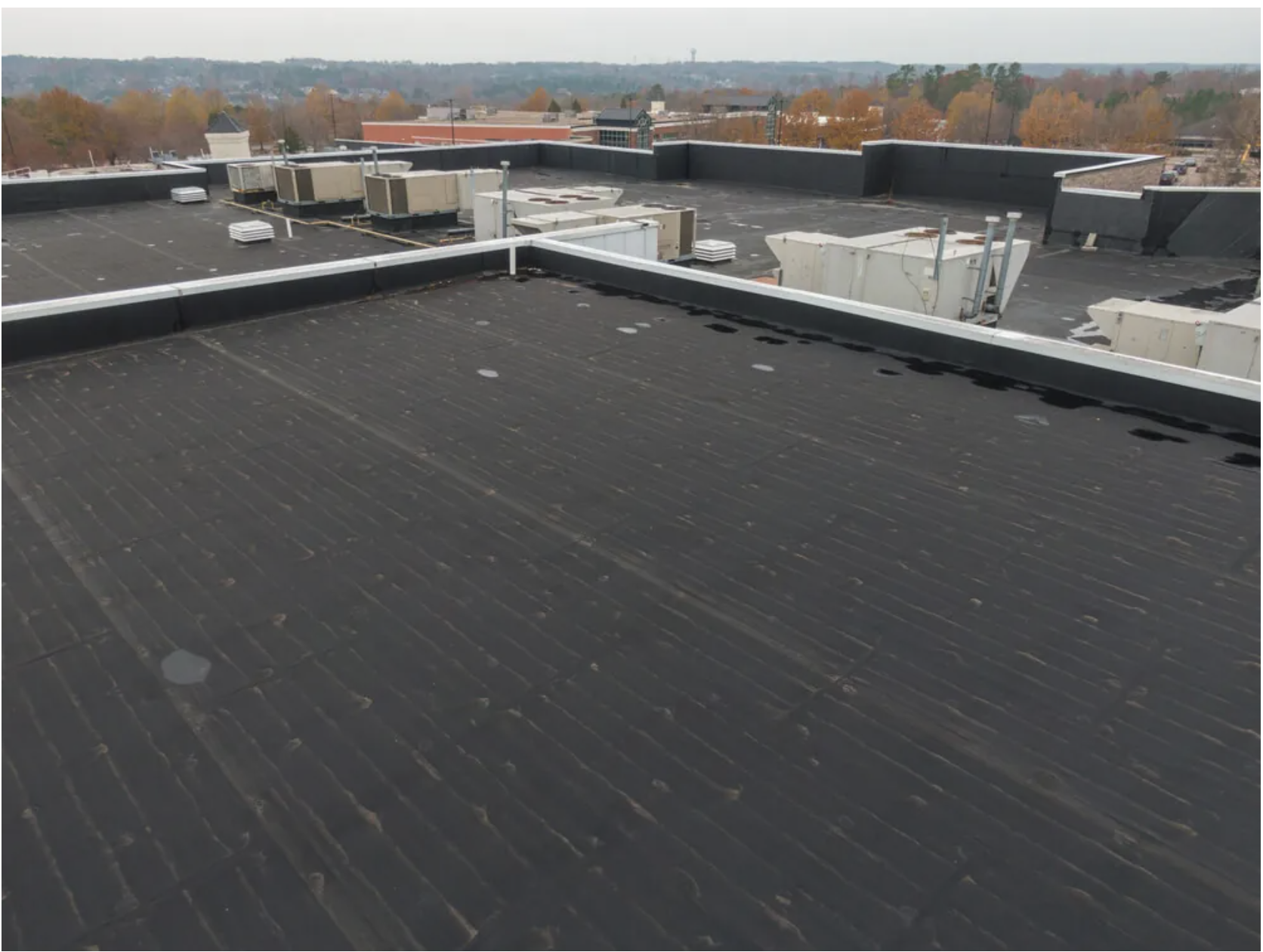
EPDM, known as Ethylene Propylene Diene Monomer, is a reliable and flexible roofing material designed for low-slope and flat-roof commercial buildings. It provides protection against natural elements and general wear and tear, ensuring your roof stays intact for years.
Want to know more? In this article, we’ll explore the different types of EPDM roofing, along with its pros and cons. So, let’s dig in!
What is EPDM Roofing?
Typically, EPDM roofing, or you can say rubber roofing, is a type of commercial roofing system that’s known for its extraordinary durability. It comes in colors like black and white and is also available in varying widths, so you can pick the one that best suits your building needs. Here’s an overview of the different types of EPDM roofing:
- Reinforced EPDM Membrane: Well, reinforced EPDM membrane roofing is the one in which a layer of polyester reinforcement is sandwiched between two EPDM membranes. It’s highly puncture-resistant, which makes it suitable for mechanically attached or fully adhered roofing systems.
- Pre-Taped EPDM Membrane: As the name implies, the pre-taped EPDM membrane is the one that comes with a sticky tape attached to it. This makes it easy for you to install this EPDM roofing anywhere, anytime, reducing labor costs.
- Non-Reinforced EPDM Membrane: Non-reinforced EPDM membrane is one of the simplest types of EPDM roofing having only EPDM material without any reinforcements. Although it’s less puncture-resistant, it still offers you incredible flexibility and versatility, making it worth the investment.
Benefits of EPDM Roofing
Here are some amazing reasons behind the huge popularity of EPDM roofing:
Durability
You don’t have to worry about water seeping into the building that may disturb your employees, which means there’s no downtime. The best part about opting for EPDM roofing is that it can last anywhere around 50 years or more, so you can bid forever farewell to roof overlay and roof replacement.
However, it’s suggested to opt for quite thicker EPDM roofing materials ranging from 60 Mil to 90 Mil with ballasted layers. These can prevent damage 300 times better than thinner EPDM, giving you much-needed peace of mind.
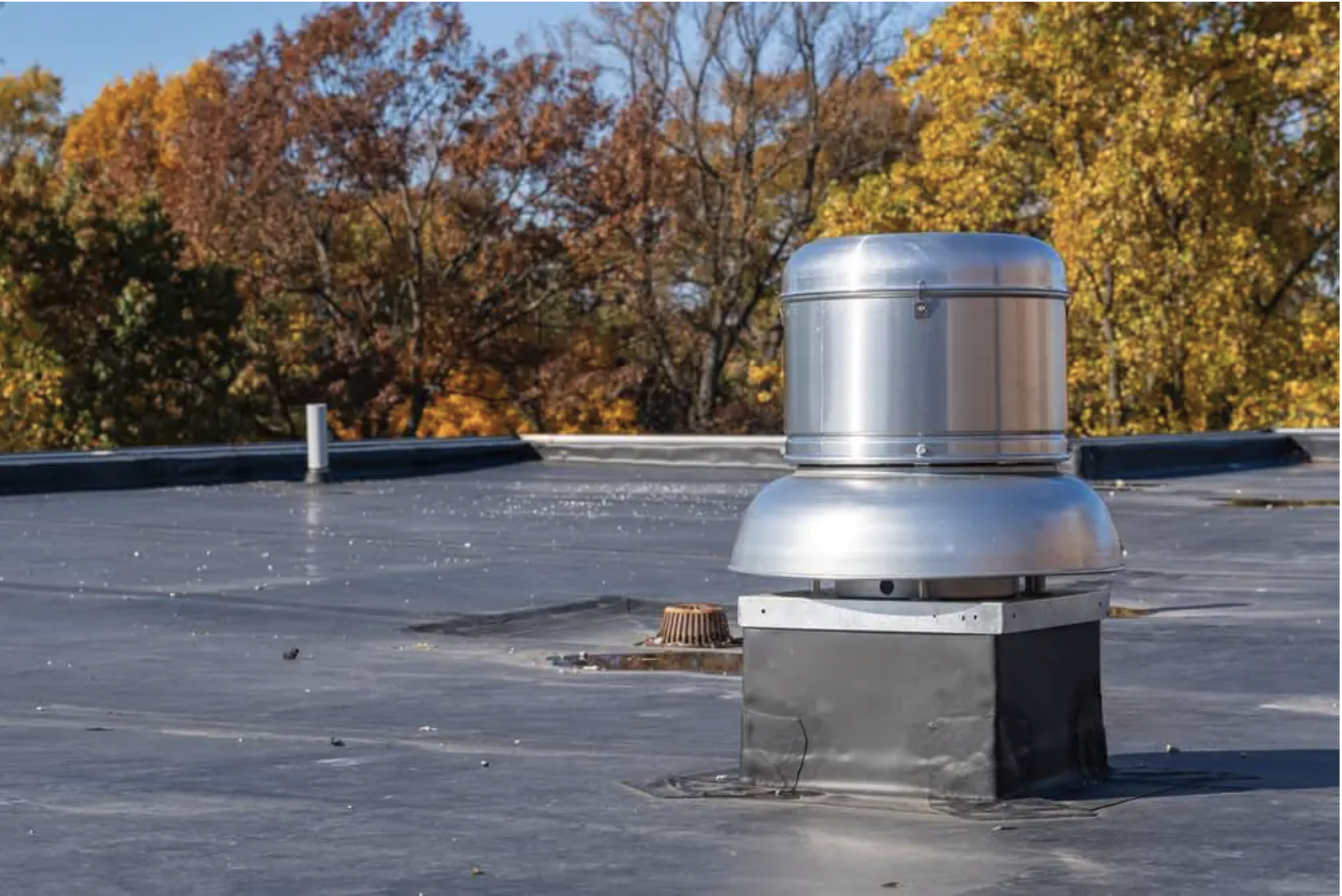
Eco-Friendly
Since this roofing material is made from recycled materials like car tires, they are eco-friendly. Once this roofing has reached its age and is worn out, instead of going into the trash, it’s recycled again. It reduces waste significantly.
That’s why the International Kyoto Ecology Agreement mentions that EPDM is the best value and sustainable roofing material available.
Enhance Energy Efficiency
However, one of the biggest benefits of EPDM roofing is that it helps improve your energy efficiency. How? Well, it comes in two variants: black and white.
The former absorbs heat and is best suitable for colder regions, while the latter reflects UV, keeping indoor temperatures cool. This temperature regulation takes off unnecessary burden from your HVAC leading to low energy bills and high energy efficiency.
Low Maintenance
But that’s where EPDM roofing shines. EPDM roofing, particularly the reinforced variants, is resistant to mold, cracking, and punctures.
Thanks to this durability, you no longer have to tend to frequent repairs and cleaning. Simply inspect the roof condition twice a year and you are good to go.
Drawbacks of EPDM Roofing
Not Quite Visually Appealing
High Installation Cost
FAQs
Is EPDM roofing fire-resistant?
Yes, EPDM roofing is fire resistant as it has high ignition temperature and doesn’t support combustion, making it a safe option for your commercial building.
How to clean and maintain an EPDM roof?
Cleaning and maintaining an EPDM roof is easy – just clear the debris and dust from the roof using a broom. For deeper cleaning, it’s suggested to opt for a soft-bristled brush and dip it in warm water and dish soap. Gently scrub the surface, and you will restore it to a pristine look.
How long does an EPDM roof last?
An EPDM roof can easily last for up to 50 years and more if it’s installed by a certified roofer and adhered properly to the surface.
Conclusion
Just get in touch with us today, discuss your requirements, and we’ll get to work immediately to provide you with an energy-efficient and versatile roofing solution.