A commercial roof is one of the most important assets protecting your building, your employees, your tenants, your equipment, and your operations. Yet for many facilities, the roof only gets attention after there is a leak.
That approach can be expensive.
A good commercial roof maintenance plan is designed to prevent small issues from becoming major disruptions. It gives building owners and facility managers a clear process for inspecting, documenting, repairing, and budgeting for roof performance over time. More importantly, it helps extend the life of the roof system and reduces the likelihood of emergency repairs.
So what should actually be included in a commercial roof maintenance plan? Below are the key components every commercial property owner should consider.
1. Regular Roof Inspections
A strong maintenance plan starts with scheduled inspections. For most commercial roofs, inspections should happen at least twice per year — typically in the spring and fall.
Spring inspections help identify damage from winter weather, freeze-thaw cycles, snow, ice, and high winds. Fall inspections help prepare the roof for colder temperatures, heavier precipitation, and seasonal debris.
In addition to semiannual inspections, your plan should include inspections after major weather events, such as:
- High winds
- Hail
- Heavy rain
- Ice storms
- Tornado warnings
- Severe storm systems
- Nearby construction activity
Even if there are no visible leaks inside the building, a roof can still have punctures, open seams, loose flashing, clogged drains, or membrane damage. Regular inspections help catch those problems before water makes its way into the building.
2. A Detailed Roof Condition Report
A maintenance plan should include written documentation after every inspection. This report should give you more than a simple “pass” or “fail.” It should clearly explain the condition of the roof and identify any areas that need attention.
A good roof condition report may include:
- Photos of problem areas
- Notes on membrane condition
- Status of seams, flashings, curbs, and penetrations
- Drainage observations
- Evidence of ponding water
- Areas of debris buildup
- Recommended repairs
- Priority level for each issue
- Estimated remaining roof life
- Budget guidance for future repairs or replacement
This documentation is useful for more than maintenance. It can help with budgeting, insurance discussions, warranty compliance, capital planning, and communication with ownership or management teams.
Over time, these reports also create a history of the roof. That history helps contractors and facility managers understand whether issues are isolated, recurring, or signs of a larger system concern.
3. Drainage System Maintenance
Poor drainage is one of the most common causes of commercial roof problems. Flat and low-slope roofs are designed to move water toward drains, gutters, scuppers, or downspouts. When those systems are blocked, water can collect on the roof and create unnecessary stress.
A commercial roof maintenance plan should include routine cleaning and inspection of:
- Roof drains
- Scuppers
- Gutters
- Downspouts
- Collector boxes
- Strainers
- Drainage paths
Leaves, trash, roofing debris, and loose materials can block water flow. When water cannot drain properly, it may lead to ponding, membrane deterioration, structural loading concerns, leaks, and ice-related damage during colder months.
Ponding water should never be ignored. While some minor water retention may occur after heavy rain, standing water that remains for an extended period can shorten the life of the roof system and may indicate drainage or slope issues.
After severe weather
Wind can lift membrane edges, loosen flashing, move rooftop materials, or damage metal components. Hail can bruise or puncture roof surfaces. Heavy rain can expose drainage problems. Debris can damage the roof or block water flow.
A post-storm inspection helps confirm whether the roof is still watertight and whether repairs are needed before the next round of weather arrives.
After rooftop work
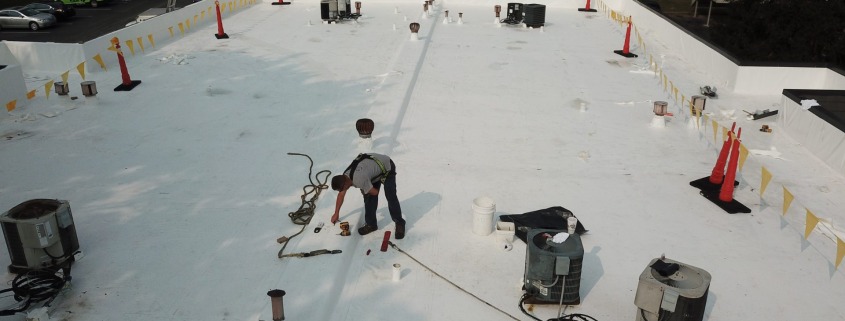
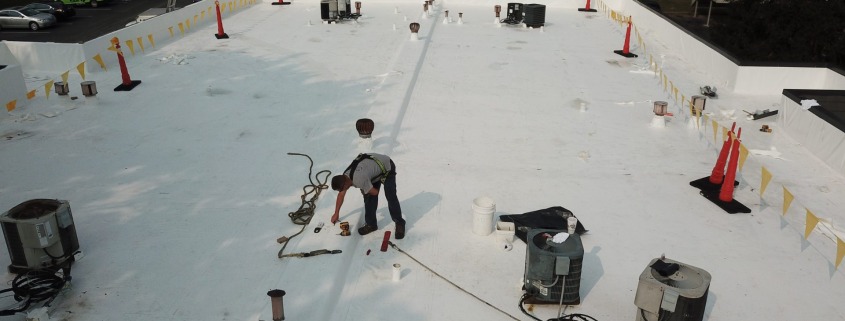
Even careful technicians can accidentally drop tools, puncture membrane, damage flashing, leave debris behind, or disturb roof details around equipment. After mechanical, electrical, plumbing, or other rooftop work, it is smart to have the roof checked.
This helps ensure the roof was not unintentionally damaged and gives you documentation if an issue appears later.
After construction nearby
When ownership or tenancy changes
A professional roof assessment can help identify current issues, estimate remaining service life, and clarify what repairs or maintenance may be needed.
When you see signs of trouble
Any of these signs should be addressed promptly.
4. Debris Removal
Commercial roofs often collect more debris than building owners realize. Leaves, branches, trash, old repair materials, loose fasteners, HVAC debris, and windblown objects can all accumulate on the roof.
Debris can cause several problems. It can block drainage, trap moisture, puncture the membrane, hide damage, and create unsafe walking conditions for technicians. Organic debris, such as leaves and branches, can also hold moisture against the roof surface and contribute to deterioration.
A maintenance plan should include routine debris removal during inspections and service visits. It should also define who is responsible for keeping the roof clear, especially if multiple vendors access the roof for HVAC, electrical, signage, or other equipment-related work.
5. Inspection of Seams, Flashings, and Penetrations
Many commercial roof leaks occur at vulnerable transition points rather than in the open field of the roof. These areas should receive special attention during every maintenance visit.
Important areas include:
- Seams
- Wall flashings
- Curb flashings
- Pipe penetrations
- Skylights
- Vents
- Expansion joints
- Roof hatches
- Parapet walls
- HVAC units
- Pitch pans or sealant pockets
Any place where the roof changes direction or is interrupted by equipment can become a potential leak point. Sealants can crack, flashings can loosen, seams can separate, and penetrations can shift over time.
A maintenance plan should include close inspection of these areas, along with timely repair of gaps, splits, loose materials, or deteriorated sealants.
6. Membrane Surface Review
The roof membrane is the main waterproofing layer of many commercial roof systems. Whether the building has TPO, PVC, EPDM, metal, coatings, or another commercial roof system, the maintenance plan should include a careful review of the roof surface.
The inspection should look for:
- Punctures
- Cuts
- Blisters
- Cracks
- Open laps
- Surface wear
- UV degradation
- Loose membrane
- Wrinkles or stress areas
- Signs of foot traffic damage
- Chemical exposure or contamination
Different roof systems have different maintenance needs. For example, a single-ply membrane may require seam checks and puncture repairs, while a metal roof may require fastener, panel, and sealant inspections. The maintenance plan should be specific to the roof system installed on the building.
A generic checklist is helpful, but it should not replace system-specific knowledge.
7. Rooftop Equipment Review
Commercial roofs often support HVAC units, exhaust fans, vents, satellite equipment, solar components, signage supports, and other rooftop equipment. These items can create roof problems if they are not properly maintained.
A roof maintenance plan should include inspection around rooftop equipment for:
- Open flashing
- Damaged curbs
- Loose panels
- Rust or deterioration
- Condensation issues
- Improper supports
- Abandoned equipment
- Oil, grease, or chemical exposure
- Damage caused by service technicians
HVAC service is a common source of roof damage. Technicians may drop tools, leave panels or screws behind, drag equipment, or walk repeatedly across sensitive areas. Your maintenance plan should include designated walk pads or service paths where appropriate, along with guidelines for other trades working on the roof.
The roof is not just a platform. It is a waterproofing system, and everyone who accesses it should treat it that way.
8. Minor Repairs Before They Become Major Problems
A maintenance plan should not stop at inspection. It should also include a process for completing minor repairs quickly.
Common maintenance repairs may include:
- Sealing small punctures
- Repairing open seams
- Re-securing loose flashing
- Replacing damaged drain strainers
- Clearing clogged drains
- Repairing small membrane defects
- Addressing deteriorated sealant
- Securing loose edge metal
- Installing walk pads in high-traffic areas
Small repairs are typically more affordable when they are handled early. Delayed repairs can allow moisture into the roof assembly, insulation, deck, walls, or interior spaces. Once water enters the system, repair costs often increase.
A good plan should also define approval limits. For example, a facility manager may authorize minor repairs up to a certain dollar amount during a scheduled maintenance visit, while larger repairs may require a written proposal.
This helps avoid delays when simple fixes are needed.
9. Leak Response Procedures
Even with good maintenance, leaks can still happen. Severe weather, rooftop damage, aging materials, and unexpected failures can all lead to water intrusion. Your maintenance plan should include a clear leak response process.
That process should answer:
- Who should be contacted when a leak is discovered?
- Is there a 24/7 emergency service number?
- Who has authority to approve emergency repairs?
- Where is roof access located?
- Are there safety or security requirements for access?
- Are there known sensitive areas inside the building?
- How should leaks be documented?
Interior staff should also know how to report leaks. The location of a drip inside the building does not always match the source of the leak on the roof. Water can travel along decking, insulation, beams, pipes, or walls before showing up inside.
Accurate reporting helps the roofing contractor diagnose the problem faster.
10. Roof Access and Safety Guidelines
Commercial roof maintenance should always include safety considerations. Roof access may involve ladders, hatches, parapet walls, fall hazards, skylights, wet surfaces, electrical equipment, and mechanical units.
A plan should identify:
- Approved roof access points
- Required safety equipment
- Areas with fall hazards
- Restricted access zones
- Skylight or hatch hazards
- Walkway locations
- Emergency contact information
- Rules for other contractors accessing the roof
Limiting unnecessary roof traffic is also important. Every person who walks on the roof creates the potential for accidental damage. A maintenance plan should clarify who is allowed on the roof and under what conditions.
11. Warranty Requirements
If your commercial roof is under warranty, maintenance may be required to keep that warranty in good standing. Many roof warranties require regular inspections, proper documentation, and timely repairs.
Your maintenance plan should include:
- Warranty type and term
- Manufacturer requirements
- Contractor workmanship warranty information
- Inspection frequency
- Documentation requirements
- Repair procedures
- Approved materials
- Contact information for warranty claims
It is important to understand that warranties do not cover everything. Damage from storms, other trades, lack of maintenance, punctures, clogged drains, or unauthorized repairs may not be covered. A maintenance plan helps reduce the risk of warranty disputes by showing that the roof has been properly cared for.
12. Budgeting and Long-Term Planning
A roof maintenance plan should also help with financial planning. Commercial roofs are major capital assets, and replacement can be a significant expense. Maintenance reports can help owners plan ahead instead of reacting to emergencies.
A long-term plan may include:
- Annual maintenance budget
- Expected repair needs
- Estimated remaining service life
- Capital planning for restoration or replacement
- Priority ranking of roof sections
- Moisture concerns or areas to monitor
- Recommendations for coating, restoration, or replacement when appropriate
This is especially important for facilities with multiple roof sections or buildings. Not every roof area ages at the same rate. A professional maintenance plan can help prioritize repairs and replacements based on condition, risk, and business impact.
13. A Clear Maintenance Schedule
Finally, the plan should include a written schedule. Without a schedule, roof maintenance is easy to postpone.
A typical commercial roof maintenance schedule may include:
- Spring inspection
- Fall inspection
- Post-storm inspections when needed
- Drain and gutter cleaning
- Debris removal
- Annual report review
- Budget planning meeting
- Repairs based on priority
The best plan is one that is simple to follow and consistently documented. A roof does not need to be complicated to be well maintained, but it does need regular attention.
Why Commercial Roof Maintenance Matters
A commercial roof maintenance plan is not just about preventing leaks. It is about protecting the building, reducing risk, improving roof performance, and making better long-term financial decisions.
Without maintenance, small problems can stay hidden until they become expensive. A loose flashing detail, clogged drain, or small puncture may not seem urgent at first. But over time, those issues can lead to wet insulation, interior damage, mold concerns, business interruptions, and premature roof replacement.
With a proper plan, building owners gain visibility and control. They know the condition of their roof, what needs to be repaired, what can wait, and when replacement may need to be considered.
What Should Your Plan Include?
At a minimum, a commercial roof maintenance plan should include regular inspections, drainage maintenance, debris removal, documentation, minor repairs, safety guidelines, warranty tracking, leak response procedures, and long-term budgeting.
The most effective plans are customized to the building. Roof size, age, system type, drainage design, rooftop equipment, foot traffic, weather exposure, and warranty requirements all matter.
A warehouse, office building, school, manufacturing facility, retail center, and medical facility may all need different levels of maintenance. The goal is to build a plan around the roof you actually have — not a generic checklist.
Partner With a Commercial Roofing Professional
Commercial roof maintenance is most effective when it is handled by experienced professionals who understand the roof system, know where problems typically develop, and can document conditions clearly.
At Commonwealth Roofing Corporation, we follow KRCA regulations and help building owners and facility managers protect their commercial roofs with inspections, maintenance, repairs, and long-term planning. Our goal is to help you make informed decisions before roof issues become costly emergencies.
A well-maintained roof can perform better, last longer, and give you greater confidence in the protection of your building.
Safety, Service, & Quality — every day since 1981.
Louisville: (502) 289-8643
Hebron: (859) 943-0012
Service: (888) 818-4842